Film fixer in Mozambique — Filming permits and locations Two and a half thousand kilometres of coast

I offer full fixer and production services in Mozambique: the Indian Ocean, a Portuguese colonial past and one of Africa’s great conservation stories at Gorongosa. The paperwork runs in Portuguese, and that shapes how a shoot is put together.

  • LanguagePortuguese paperwork
  • Film permitFilm and media authorities
  • CustomsThrough a customs broker
  • Pairs withEastern Highlands, Malawi

At a glance — Mozambique

The short answer

Filming in Mozambique needs authorisation from the national film and audiovisual authorities, media accreditation for news crews, and provincial, park and drone permissions on top. The paperwork is in Portuguese, so start it early.

Services
Full fixer and production service in Mozambique: permits, locations, crew, transport, accommodation and logistics
Filming
National audiovisual and cinema institute (INAC)
News crews
Accreditation through the government information office (GABINFO)
Conservation areas
The national conservation areas administration, and park management
Customs
Temporary import through a customs broker
Drones
Civil aviation institute (IACM), plus local consent
Language
Portuguese; English is not widely used in government

Last reviewed . Field figures are indicative and confirmed at recce. Rules and lead times change, and I check them for every production.

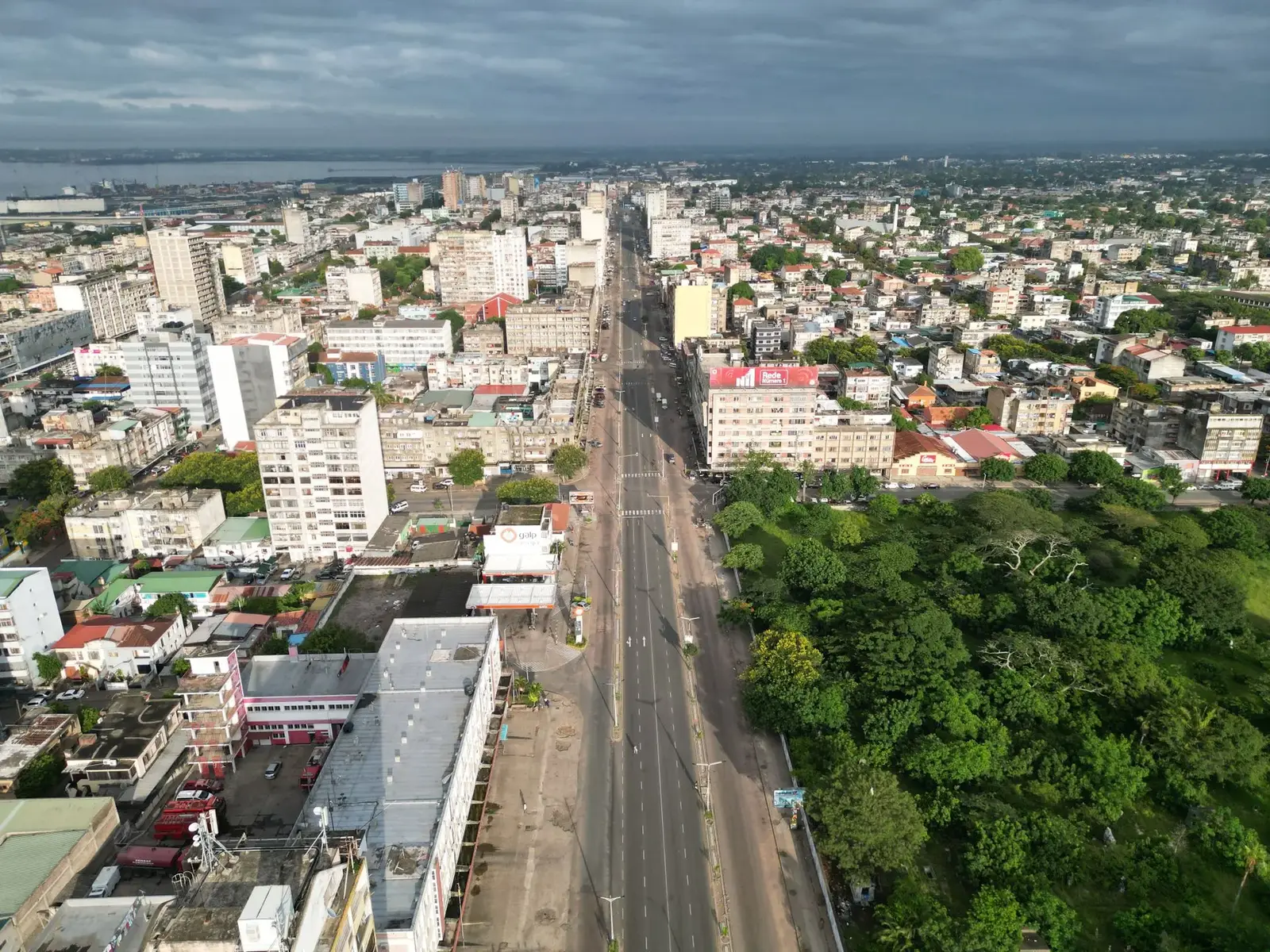
An aerial view of central Maputo and its avenues Maputo

The country — The Indian Ocean coast

Why crews film in Mozambique

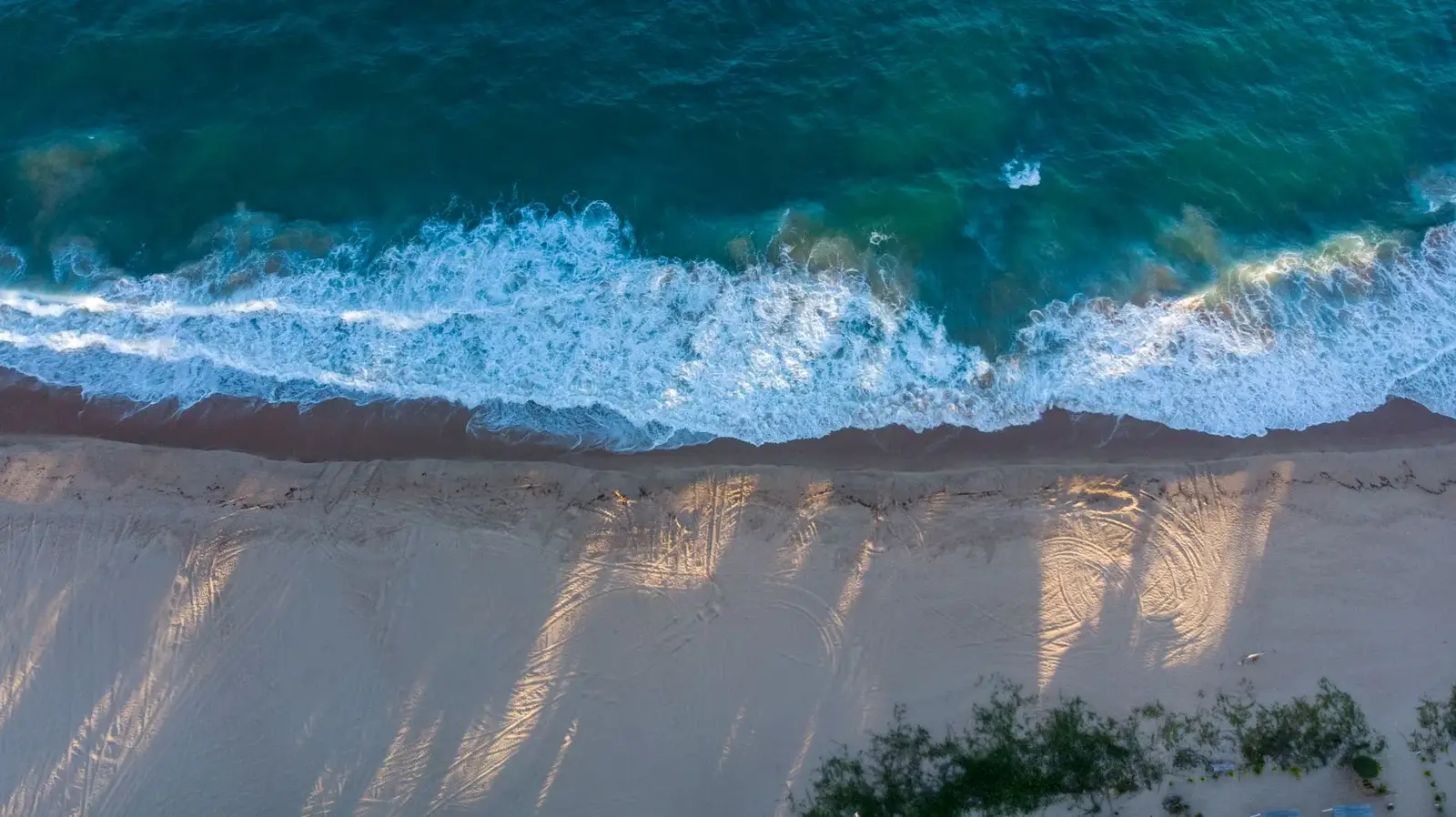
Mozambique’s coast runs for some 2,500 kilometres, with coral islands, dunes and warm water. The Bazaruto Archipelago is a marine park of turquoise channels and dugongs, Tofo is known for whale sharks and manta rays, and humpback whales pass along the coast in the southern winter.

On land there is Ilha de Moçambique, the old island capital and a UNESCO World Heritage Site; Gorongosa National Park, whose restoration after the civil war is one of the great conservation stories of our time; and Maputo, a capital of wide avenues, modernist buildings and a famous railway station.

Permission — Who signs

Filming permits in Mozambique

Filming authorisation comes through the national audiovisual and cinema institute, and news and current-affairs crews also need accreditation through the government information office. Provinces, municipalities and conservation areas then add their own permissions, and the national parks are run by the conservation areas administration, often with a management partner on site, as at Gorongosa.

Everything runs in Portuguese, from the application to the conversation at the checkpoint, so the team includes fluent speakers from the start. Equipment comes in on temporary import through a customs broker, and drones need clearance from the civil aviation institute and local consent. I confirm the current requirements for each production, because they change.

Locations — Where to point the camera

Filming locations in Mozambique

The places that come up most in briefs, from the islands to the interior.

Bazaruto

The archipelago

Islands, sandbanks and clear channels off Vilankulo, inside a marine national park.

Tofo

Ocean giants

Whale sharks and manta rays year-round, humpbacks roughly June to October.

Ilha de Moçambique

The island town

Stone Town and Macuti Town on a small island, a UNESCO World Heritage Site.

Gorongosa

The comeback park

Floodplains and Mount Gorongosa, and a restoration story with scientists at its centre.

Maputo

The capital

Modernist and colonial architecture, markets and a lively music scene.

Niassa

The far north

One of Africa’s largest and least visited reserves. Serious logistics.

From Zimbabwe — The Beira corridor

Combining Mozambique with a Zimbabwe shoot

Zimbabwe’s Eastern Highlands run straight down to the Mozambique border at Mutare, and the road continues to Beira and the sea. Gorongosa sits just off that corridor, which makes a Zimbabwe-and-Mozambique route efficient by road.

Further north, the Tete corridor links Zimbabwe to Malawi through Mozambique. See filming in Malawi and regional shoots.

Questions — Asked most often

What producers ask first

Short answers to the questions that arrive in nearly every brief. For anything specific to your production, ask me directly.

Q

Do you offer fixer services in Mozambique?

Yes. I offer the same fixer and production service in Mozambique as in Zimbabwe: filming permits and accreditation, location scouting, local crew, transport, accommodation and on-the-ground logistics, for film, documentary, news and commercial crews. You can hire me for a shoot in Mozambique alone, or as part of a route across several countries.

Q

Do you need a permit to film in Mozambique?

Yes. Filming authorisation comes through the national audiovisual and cinema institute, news crews need media accreditation, and provinces, parks and drones need further permission.

Q

Do I need to speak Portuguese to film in Mozambique?

The paperwork and most official conversations are in Portuguese, so a production needs fluent speakers on the team. I build that in from the start.

Q

Can you fly a drone in Mozambique?

Only with clearance from the civil aviation institute and local consent, and conservation areas have their own rules.

Q

When is the best time to film on the Mozambique coast?

May to November is drier and calmer, and humpback whales pass roughly June to October. The hot, wet season runs roughly December to March.

Next — Your project

Send the brief and the dates

Tell me what you want to shoot here and when. You will get a straight answer on the permissions, the timing and the cost before you book anything.