Services — Production support

End to end, or only the parts you need

Some productions hand me the whole country and go back to writing. Others already have a producer and want permits and a driver. Both are normal. Take what is useful.

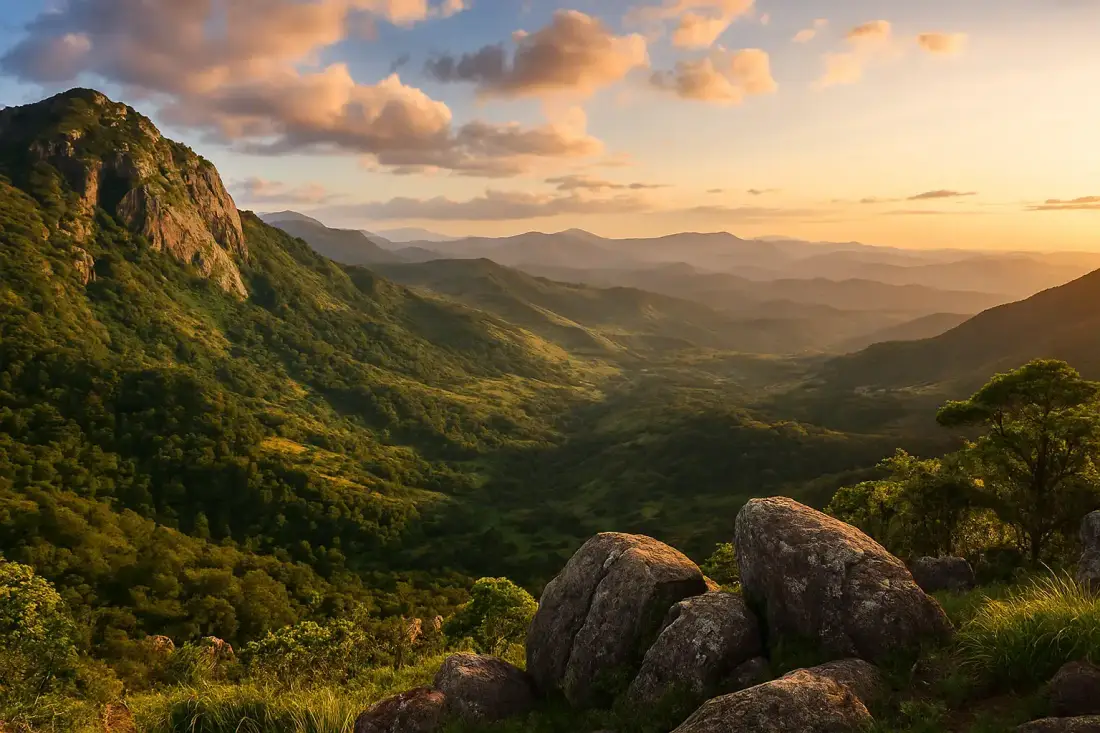
Mist lying across the forested Eastern Highlands 01 — Scouting

Location scouting and recces

The location is not a backdrop. It sets the light, the sound, the travel time and half your budget, so it is worth getting right on paper before anybody flies.

I start from your script or treatment rather than a catalogue. You get a shortlist with real photographs, video walk-throughs where it helps, and the practical notes that decide a shot: where the sun lands and at what hour, what you will hear on the soundtrack, how close a vehicle can get, and whether there is anywhere to put a unit base.

Zimbabwe also hides well. Some of the best places I have put a camera are not on any tourism list: a waterfall with no road to it, a colonial building nobody has used in thirty years, a street that only works at six in the morning.

  • Shortlists built against the brief, not against what is easy to book
  • Sun path, sound environment, access routes and vehicle limits noted for each
  • Owner, chief or warden identified before you fall in love with the place
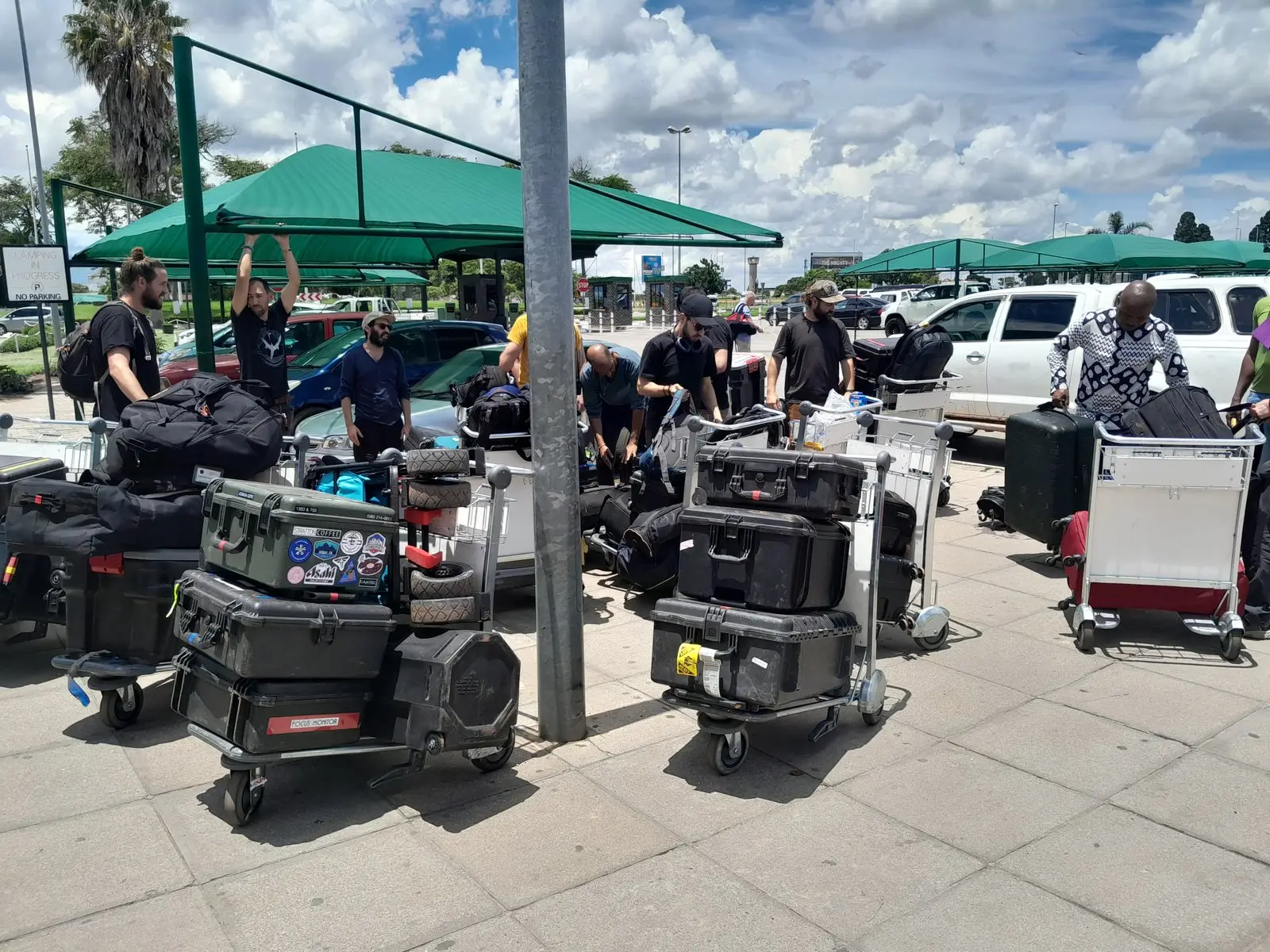
Crew and flight cases outside Harare International 02 — Permits

Permits and government liaison

Filming permits, crew visas, drone authorisation, police notification, parks permissions, council approvals. It is not difficult work, but it is unforgiving about sequence and lead time.

I am your single point of contact with the National Arts Council, ZIMRA, local authorities, the parks service and the police. You will not sit in an office, and you will not discover on the Tuesday that something needed fourteen days’ notice.

If something in your plan is not going to be permitted, you will hear that from me early and plainly, with an alternative attached. That answer is worth more than an optimistic one.

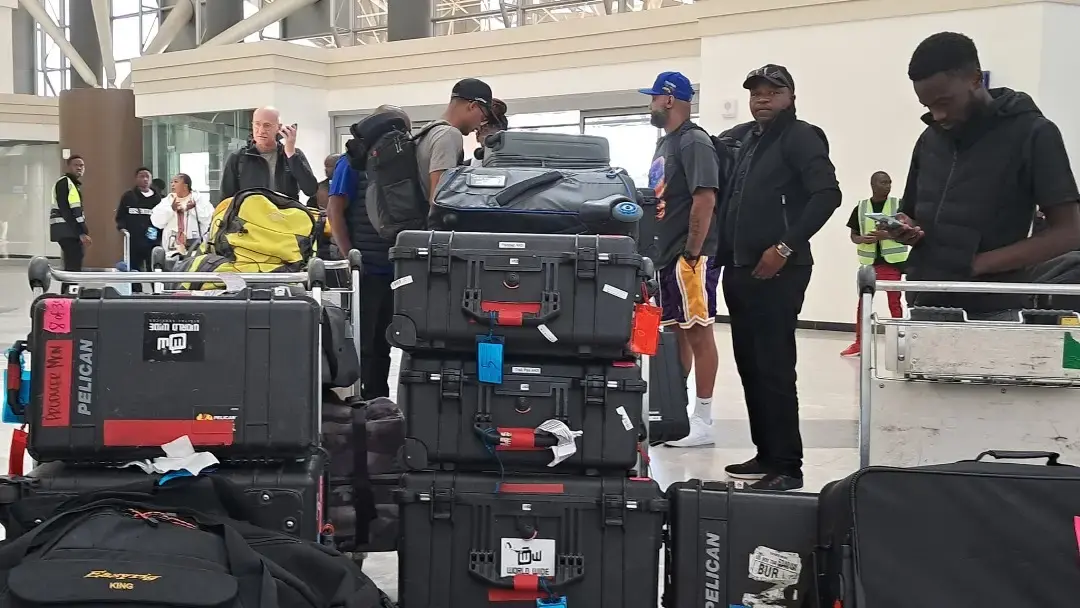
Flight cases stacked on trolleys in the terminal 03 — Customs

Customs and equipment importation

A production stands or falls on whether the cases clear. Camera bodies, lenses, lighting, drones and batteries all have their own conditions, and batteries in particular will delay you if they are declared badly.

I handle the temporary import process end to end: paperwork lodged in advance, carnet handled where you are carrying one, and a person physically at the airport when the freight lands. Cases clear and move on to unit base the same day rather than sitting in a bond store over a weekend.

The same applies in reverse at wrap. Kit leaves the country cleanly, which matters for the next production as much as for yours.

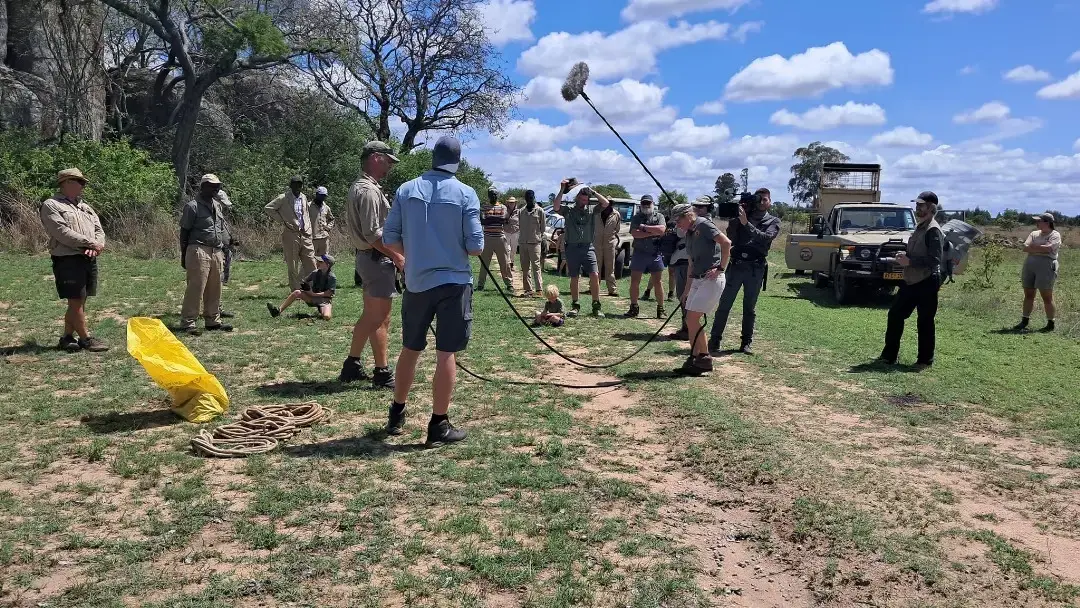
Sound recordist working with a boom in open bush 04 — Crew

Crew, talent and local fixers

Zimbabwe has good crew. The difficulty is knowing which of them is good at the specific thing you need, and whether they are free.

I book from people I have worked beside rather than from a directory: camera and sound, grips and sparks, drivers who know the road you are actually taking, translators, and regional fixers in places where being from Harare is not enough.

For casting and community filming I handle the introductions, the consent and the fee conversation properly. Getting that wrong is how a production loses a location on day two.

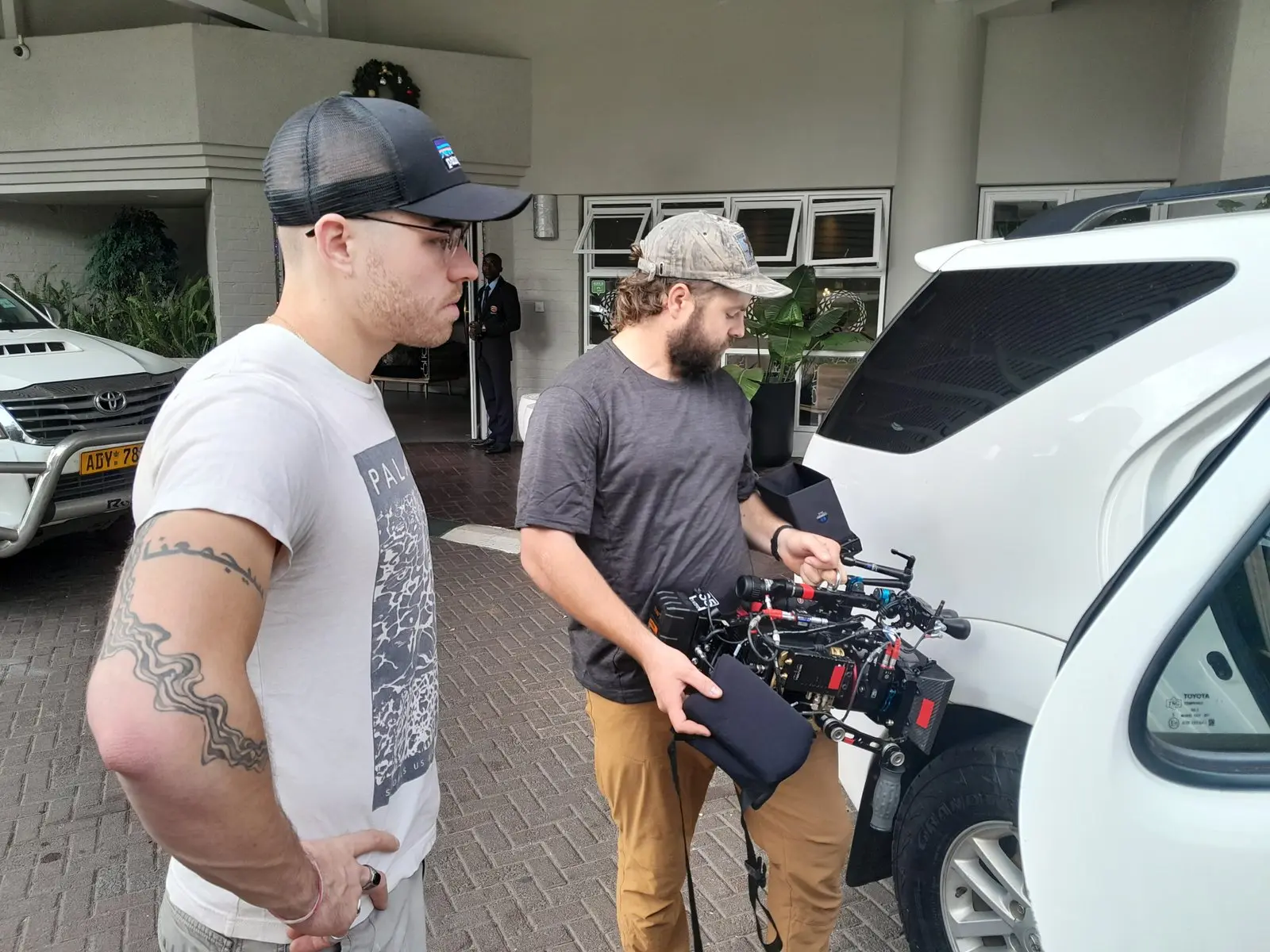
Crew checking a camera rig beside a vehicle 05 — Logistics

Transport, accommodation and catering

Distances here are long and the last stretch is often unsealed. A schedule drawn in a London office usually needs an hour adding to every move.

I build the infrastructure around your call sheet: four-wheel drive vehicles with drivers, fuel planned for routes where the next station may be dry, accommodation that exists near the location rather than two hours from it, and catering that turns up hot and on time, including for the crew who are still at the vehicles.

Rates are negotiated locally, in local currency where that helps, and accounted for in a way your production office can reconcile.

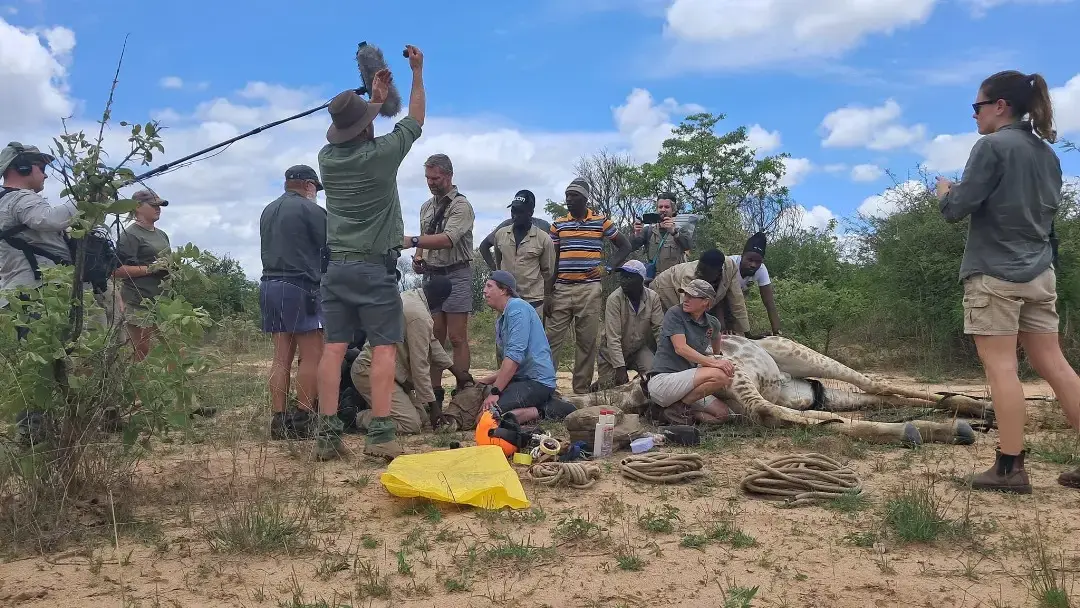
A crew filming a veterinary team at work in the bush 06 — Risk

Risk and wildlife protocols

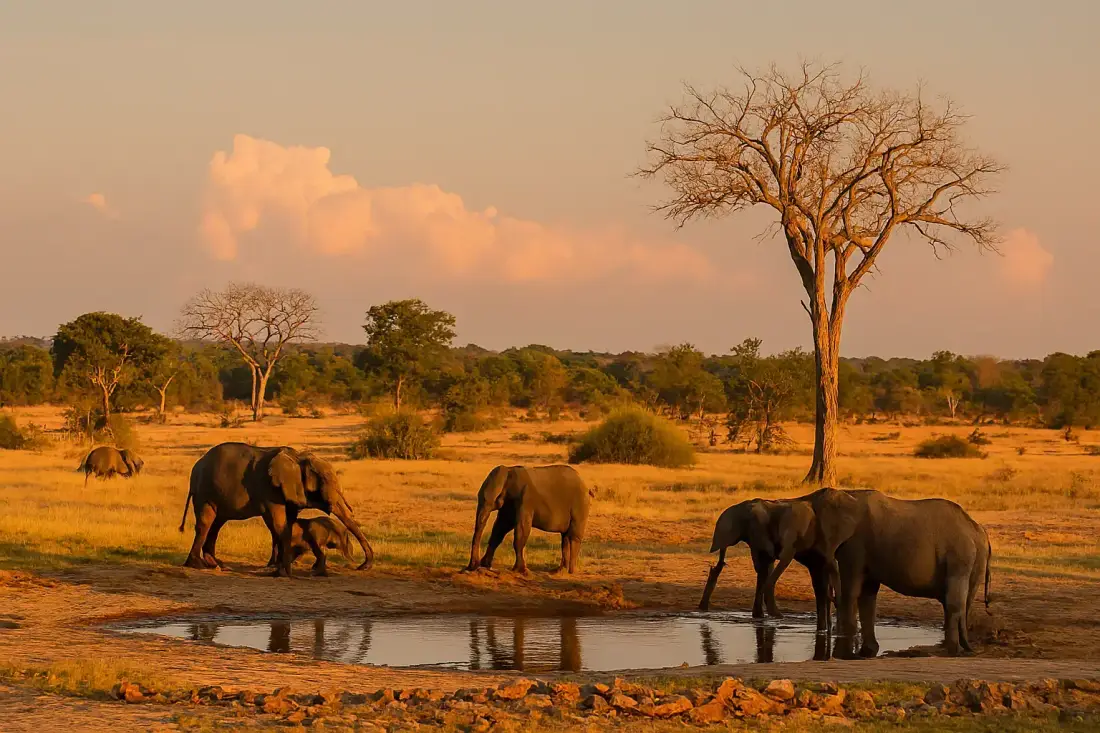
Most of what makes Zimbabwe worth filming also carries a risk register: big game, water, remoteness, heat, and roads that are not lit.

I plan for it rather than hope. Armed ranger escorts where parks require them, briefings that the whole unit attends, medical cover and a written evacuation route from every remote location, and a communications plan for the places with no signal at all.

And occasionally the answer is that a shot is not worth what it would take. You will get that answer too, before it becomes a decision made under pressure at the location.

Next — Your project

Send the brief and the dates

You will get a straight answer on what is possible, what it costs, and what I would change about the plan before you book flights.