
 Great Zimbabwe
The site — Dzimba dza mabwe
Walls without mortar
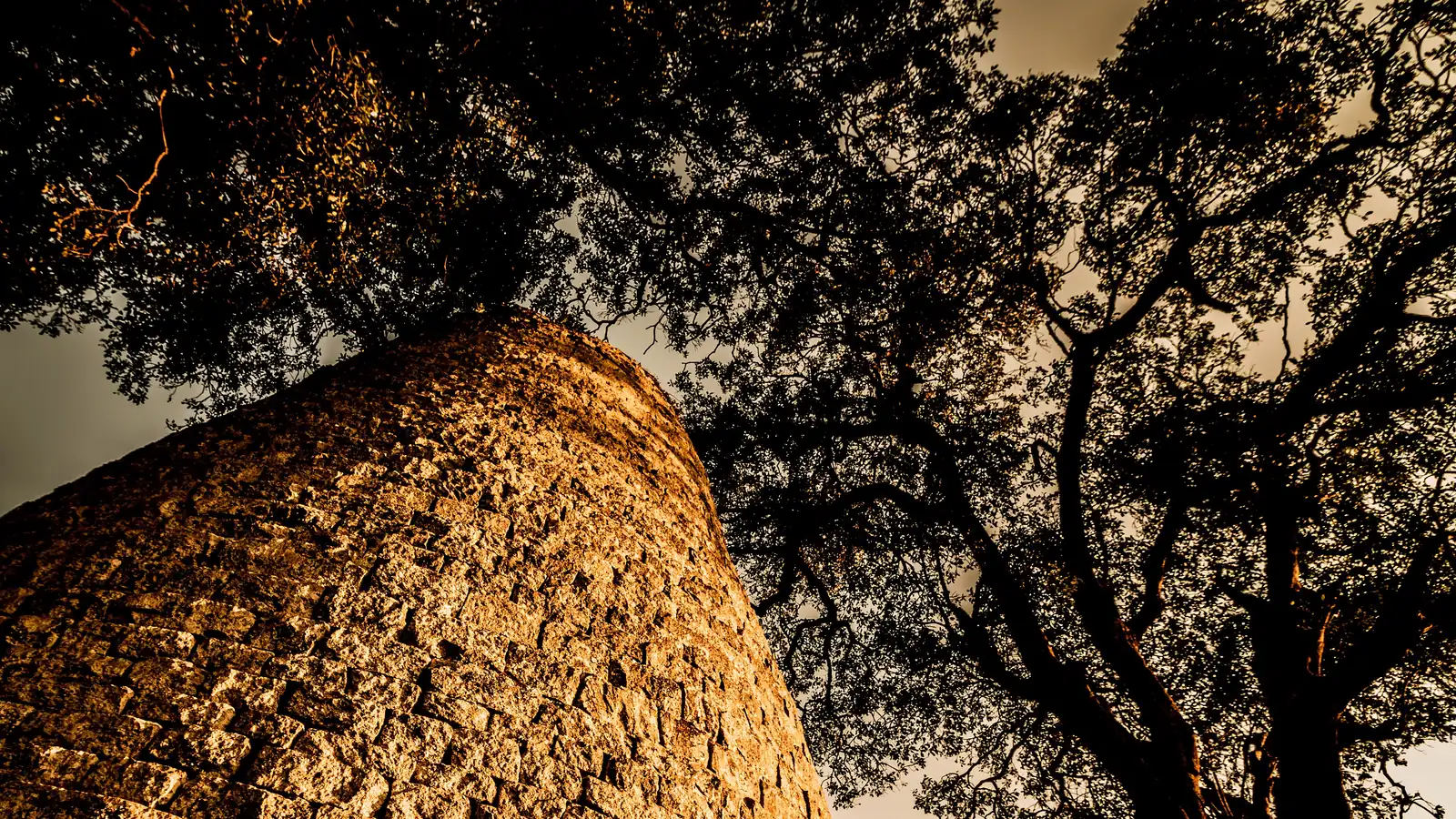
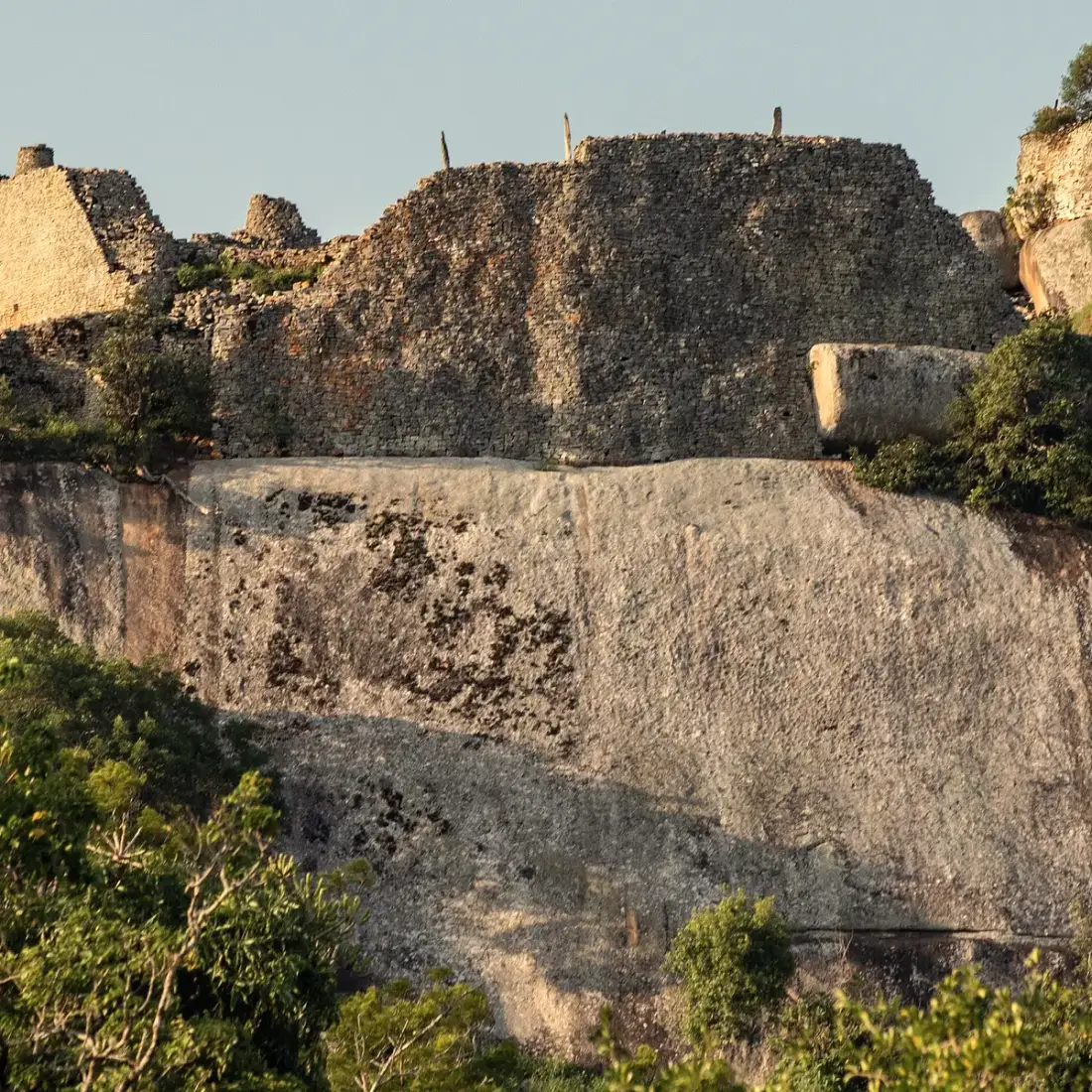
Built between roughly the eleventh and fifteenth centuries, Great Zimbabwe was the capital of a Shona state whose trade reached the Indian Ocean coast and beyond. Its walls are dressed granite blocks laid without mortar, in places more than ten metres high, and the country takes its name from it: dzimba dza mabwe, houses of stone.
A camera will want three areas: the Hill Complex, on a granite ridge above the valley; the Great Enclosure, with its curving outer wall and the conical tower; and the Valley Ruins between them. The site museum holds the soapstone Zimbabwe Birds, the national emblem. Great Zimbabwe National Monument has been a UNESCO World Heritage Site since 1986.