
About — Liberty Pazvakawambwa
The person who answers the phone at two in the morning
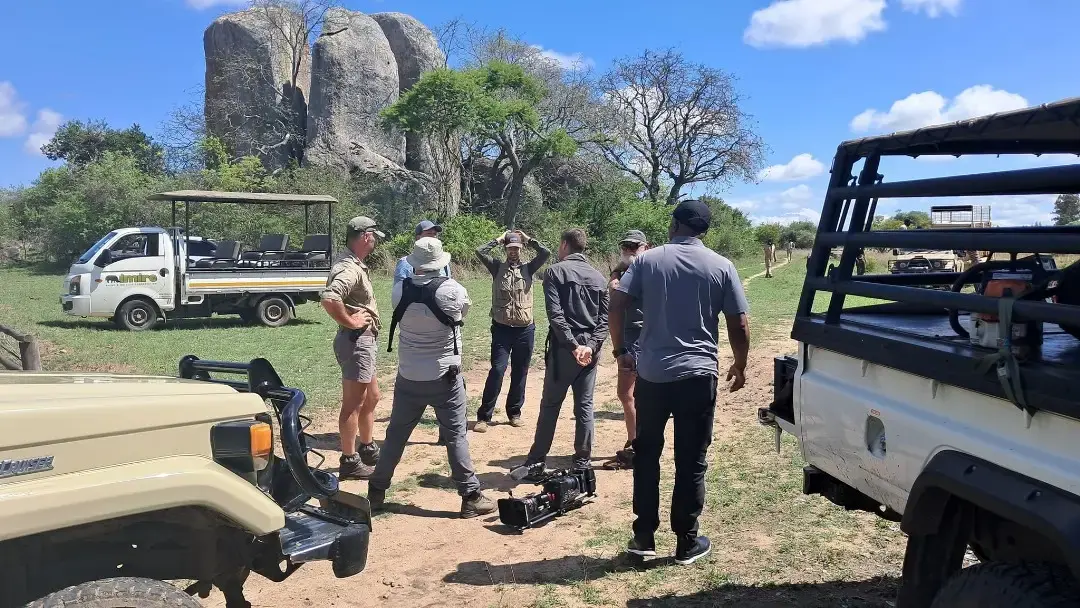
That is most of the job, and it is not a joke. A fixer is judged on the hours when something has gone wrong and the schedule will not wait.
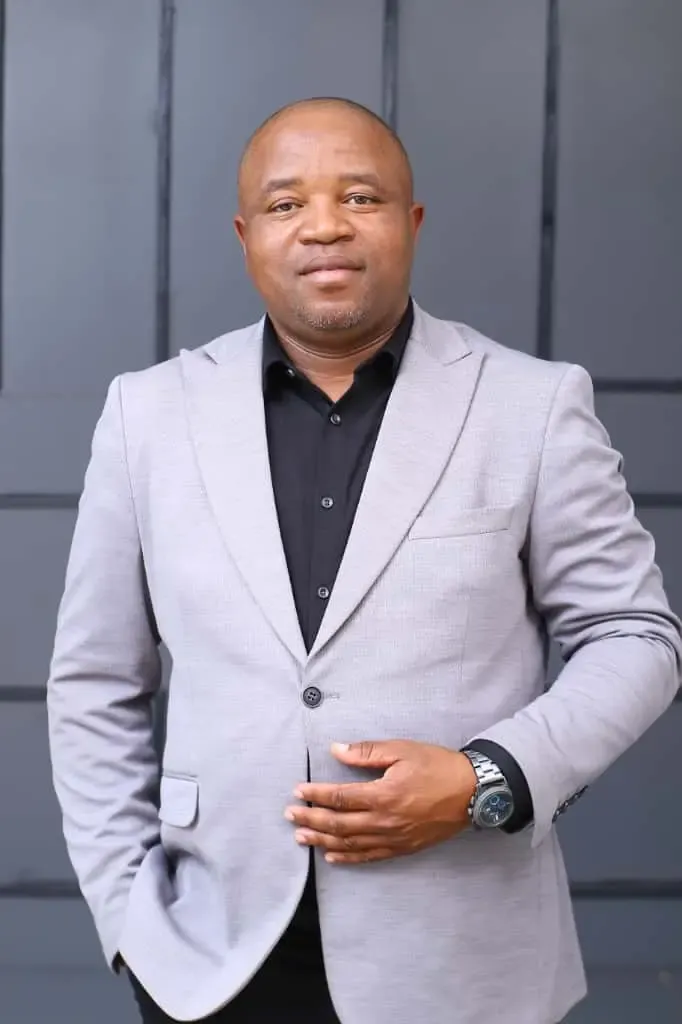 Harare, Zimbabwe
From a passion for film to a trade in production
I came to this through film school in Zimbabwe, which gave me the grammar of the craft, and then through independent production, which taught me what actually happens when the plan meets the country.
On a small independent shoot everybody wears several hats. You carry, you drive, you translate, you talk the owner of a building into one more hour. It is an unglamorous education and I would not swap it, because it is where I found the thing I am genuinely good at: taking an obstacle off a director’s desk before it reaches them.
Over the years since, the work has settled into a clear shape. International productions arrive needing a country they do not know to behave predictably for three weeks. I am the person who makes that true.
Vision. Creativity. Impact.Not a slogan — the order I work in
Vision. I listen to what you are trying to make and treat it as mine. A fixer who only solves logistics will solve them in ways that quietly cost you the shot.
Creativity. Most problems here have a route around them. Knowing the route is the value; finding a new one when it closes is the job.
Impact. Productions leave a mark on the places that host them. I would rather that mark was a good one, so the next crew through the door is welcome too.
 Liberty Pazvakawambwa, Harare
Method — How a job runs
Six stages, in this order, every time
A production is a sequence, and skipping a step in it is how shoots lose days. This is the order I hold to, from the first email to the last case leaving the country.
The brief
What you are shooting, when, how many of you, and what the footage has to do. I will tell you at this stage if your dates fight the weather.
Options and budget
Locations with real photographs and access notes, a crew shape, a vehicle and accommodation plan, and a cost you can take to your producer.
Paperwork
Permits, visas, customs, drone authorisation, parks and council permissions. Lodged early, because the offices here keep their own clock.
Crew and kit
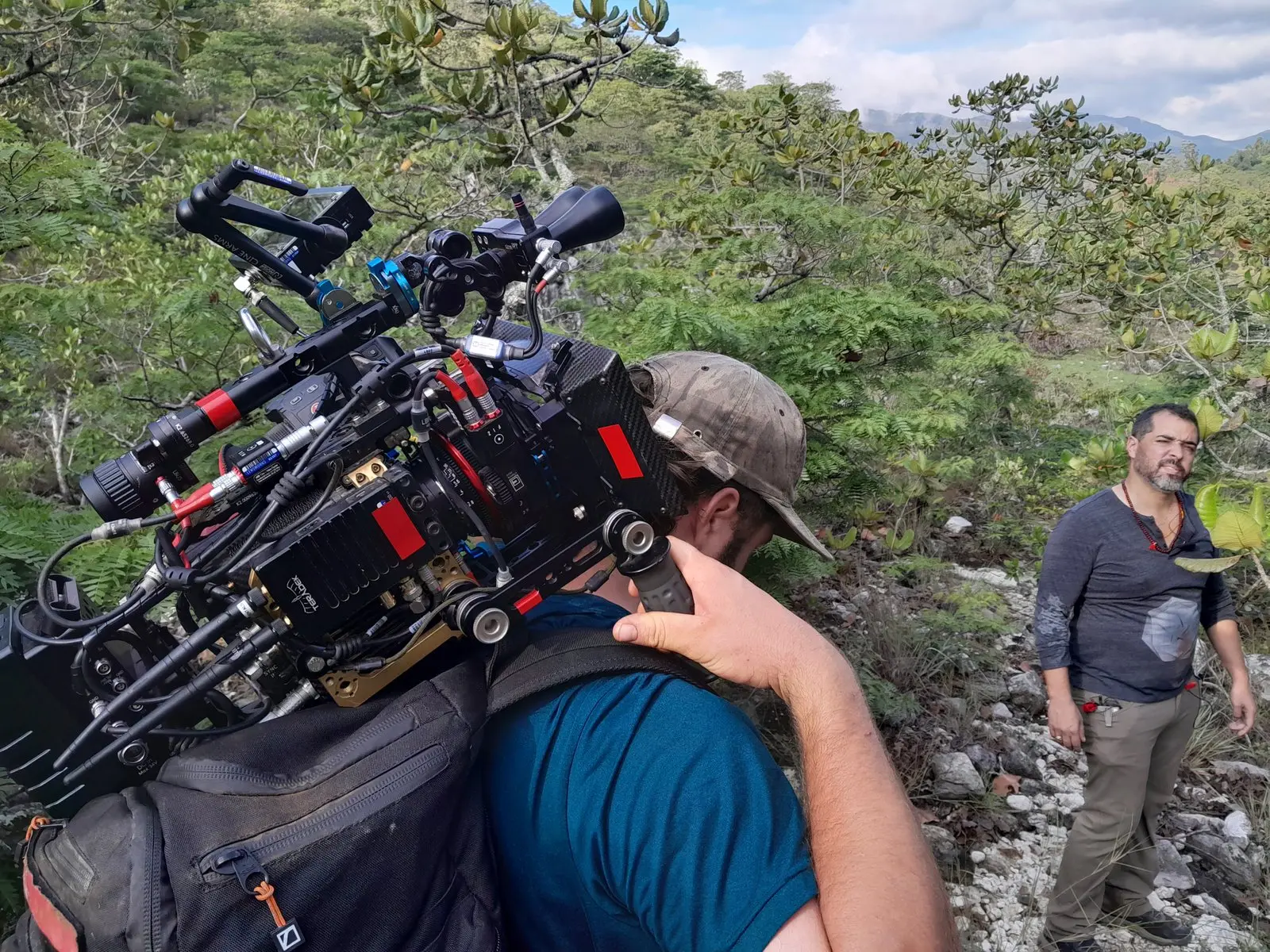
Local crew booked, gear cleared and moved to base, vehicles fuelled, and a call sheet that matches the distances involved.
The shoot
I am on the ground with you. Access negotiated, communities spoken to, rangers briefed, problems handled off-camera while you work.
Wrap
Kit exported cleanly, crew and suppliers paid, permissions closed out properly, and a country that will have you back.
Position — Why a local fixer
Local knowledge, international standards
The gap most productions fall into is not language or landscape. It is the assumption that a process which works at home works here in the same way and on the same timetable.
I know what things should cost
Foreign productions get quoted foreign prices. Knowing the local rate for a vehicle, a room or a day’s labour is worth more than any discount I could negotiate for you.
I know who actually decides
Permission often rests with a person rather than an office. Knowing which chief, warden or council officer to approach, and in what order, saves days.
I work to the standard you work to
Call sheets, risk assessments, insurance, release forms and accounting that will survive your production’s audit. Local does not mean informal.
Next — Your project
Bring me in early
The cheapest time to talk to a fixer is before the schedule is locked. Send me the outline and I will tell you what it really takes.