Do you need a permit to film in Mana Pools?
Yes. You need the Zimbabwe filming permit and ZimParks filming permission, and park entry booked in advance through the Marongora office. Allow about three weeks.
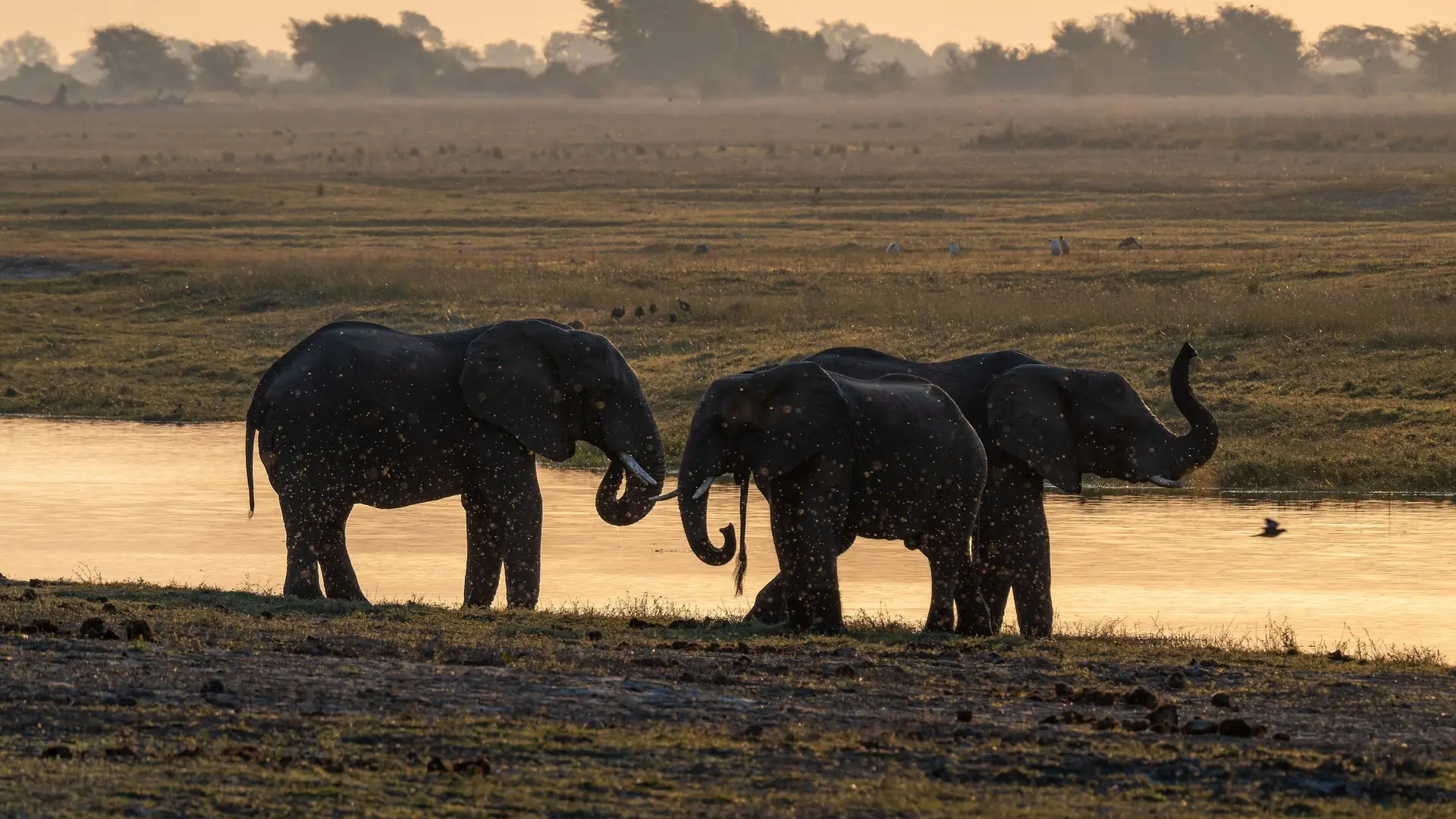
Mana Pools is the wild end of the Zambezi: open floodplain under tall winterthorn trees, the river in front and the escarpment behind. It is remote and seasonal, and one of the most rewarding places in Africa to film wildlife at eye level.
At a glance — Mana Pools
Filming in Mana Pools needs the national filming permit, ZimParks permission and entry booked in advance through the Marongora office. Film in the dry season, roughly May to October; much of the park closes in the rains.
Last reviewed . Field figures are indicative and confirmed at recce. Rules and lead times change, and I check them for every production.
The place — Four pools
Mana Pools takes its name from four pools left behind by old channels of the Zambezi; mana means four in Shona. The national park, together with the Sapi and Chewore areas beside it, has been a UNESCO World Heritage Site since 1984.
What brings film crews is the floodplain. Tall Faidherbia albida, the winterthorn or apple-ring acacia, stand in open parkland along the river. Late in the dry season they drop their pods, and elephant bulls rise onto their hind legs to reach the branches: a shot people come from all over the world for. Lion, painted wolf, buffalo, hippo and crocodile are all part of the picture, with the Zambian escarpment as a backdrop across the water.
When to come — A seasonal park
Mana Pools is open for filming for only part of the year, and the best weeks are the hottest. Choose the dates before choosing the shots.
Cool and green, roads reopening, game still spread out across the valley.
Peak filming. Game concentrates on the floodplain, the albida pods fall, and the light turns hazy and gold. Very hot by October.
Much of the park and most camps close. Unless the story is the wet season itself, plan around it.
Haze softens the late dry season. First and last light on the floodplain are the shots.
Permission — ZimParks
Mana Pools is run by ZimParks. A crew needs the national filming permit, ZimParks filming permission, and entry booked in advance and collected at the Marongora office on the way in. Visitor numbers are controlled and sites are limited, so dates need to be fixed early.
Walking is part of what makes Mana Pools special, and also the risk. For a crew on foot I put a ranger or licensed professional guide with the unit every time, and canoe filming on the Zambezi is done with licensed operators. Drones need aviation clearance as well as the park’s approval, and the river is the border with Zambia, so nothing flies or floats across it. See drone filming in Zimbabwe and the permits guide.
Access — Down the escarpment
Mana Pools is remote by design. The last part of the journey is slow, and everything the unit needs has to come in with it.
About four and a half hours on the Chirundu road to Marongora, then down the escarpment and along gravel to the river. Four-wheel drive only.
Light aircraft land at the park’s airstrip, which saves most of a day for a small crew travelling light.
Parks campsites and a handful of concession camps. Everything runs on solar or generators.
There are no shops and no fuel in the park. Water, fuel and spares are planned from Harare or Karoi.
Questions — Asked most often
Short answers to the questions that arrive in nearly every brief. For anything specific to your production, ask me directly.
Yes. You need the Zimbabwe filming permit and ZimParks filming permission, and park entry booked in advance through the Marongora office. Allow about three weeks.
August to October, late in the dry season, when game concentrates on the floodplain and the albida trees drop their pods. Much of the park closes in the rains, roughly November to April.
Yes. Mana Pools is one of the few parks where walking is part of the experience, but a crew on foot should always be accompanied by a ranger or licensed professional guide.
About six hours by road, the last part on gravel and best in four-wheel drive. Charter flights to the park airstrip are faster.
Field notes — Plan the route
Distances in Zimbabwe are long, so the locations you put together matter as much as the ones you pick. These sit well alongside this one.
Next — Your project
Tell me what you want to shoot here and when. You will get a straight answer on the permissions, the timing and the cost before you book anything.