
Filming in Hwange — National Park Elephants by the hundred, and a frame that fills itself

Hwange is Zimbabwe’s largest national park and the one wildlife crews ask for first. It rewards patience at the right waterhole and punishes a schedule that treats it as a day trip.

  • From Harare8 h road, 1 h 10 air
  • Best lightWaterholes, first and last hour
  • Sound floorGame at night, camp generators
  • Permit lead21 days, ranger escort

At a glance — Hwange National Park

The short answer

Filming in Hwange National Park needs a Zimbabwe filming permit and ZimParks permission, about three weeks ahead, with a ranger attached to the crew. July to October is the strongest window, when game concentrates at the pans.

Permission from
The national filming permit, plus ZimParks
Lead time
About 21 days
On foot
Always with an armed ranger
Best months
July to October, when game comes to the pans
Nearest airports
Hwange National Airport near Main Camp; Victoria Falls, about three hours by road
Pairs with
Victoria Falls and Bulawayo

Last reviewed . Field figures are indicative and confirmed at recce. Rules and lead times change, and I check them for every production.

Plains and woodland in Hwange National Park Hwange National Park

The park — Kalahari sands

Why Hwange works on camera

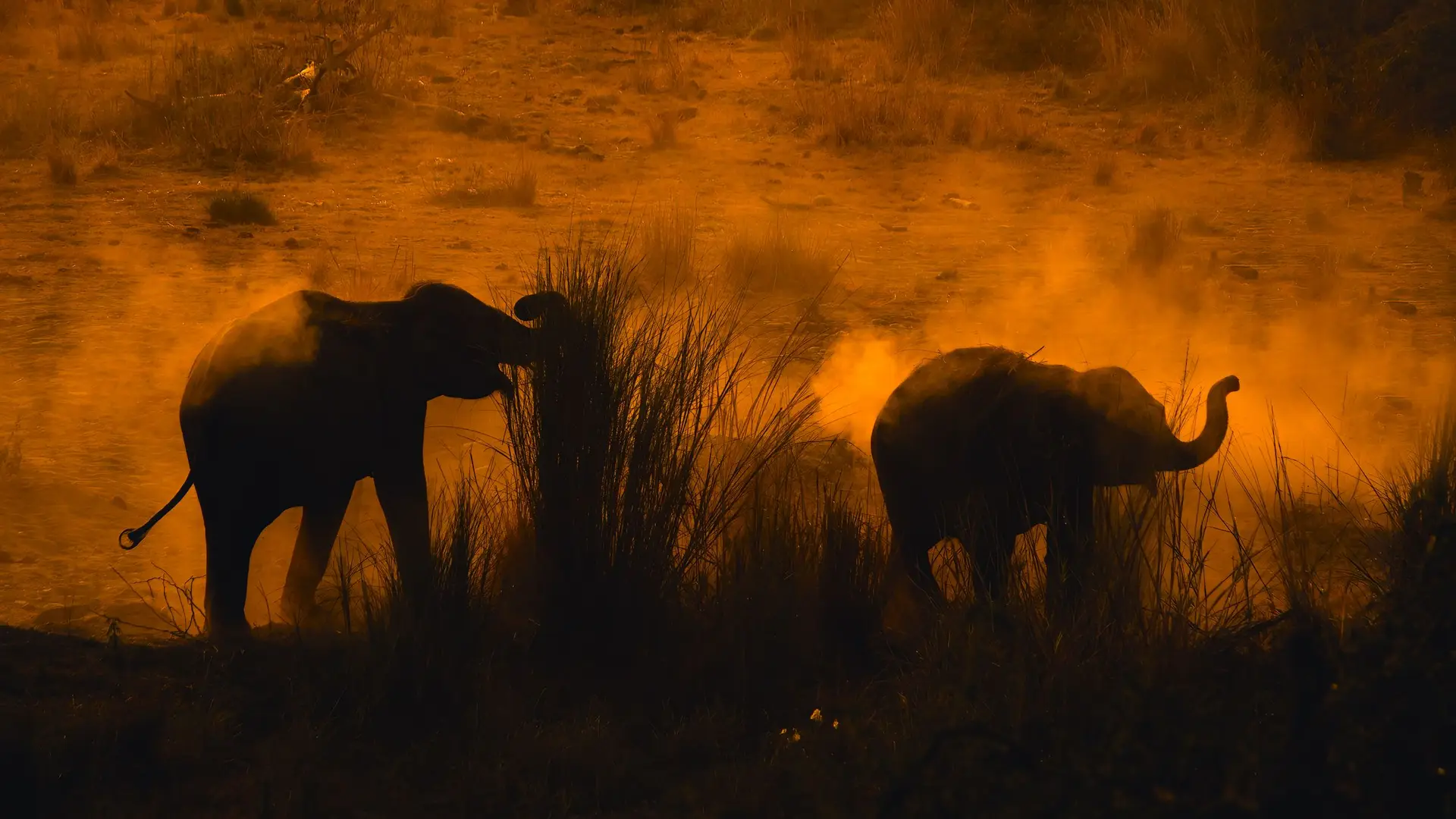
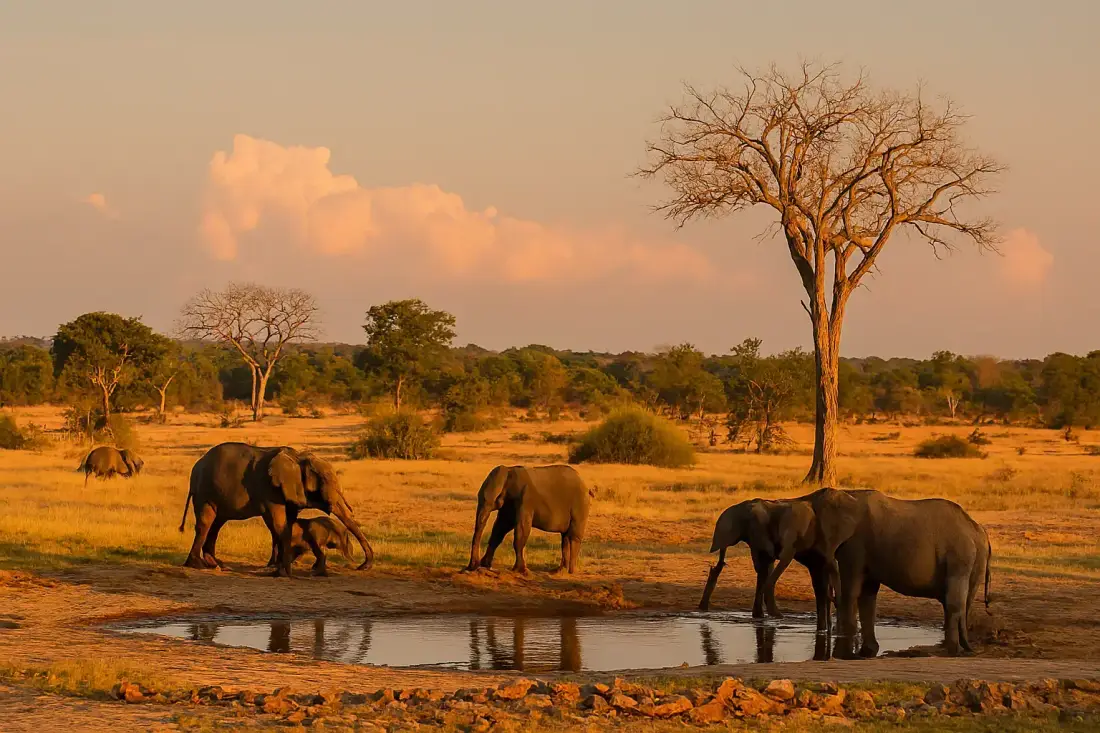
Hwange National Park covers about 14,600 square kilometres of the north-west, on the edge of the Kalahari sands. Most of it has no permanent rivers, so water is pumped into pans, and in the dry season the animals come to the water rather than the other way round. That is what makes it so filmable: you choose a pan, set up, and the frame fills.

It is best known for elephant, among the largest populations anywhere, along with buffalo, lion, painted wolf, giraffe, sable and a great deal of birdlife. Main Camp in the north-east is the usual base, with Sinamatella and Robins further west, and private concessions on the boundary that often allow more flexibility for a crew than the public roads do.
When to come — The water decides

The best time to film in Hwange

Hwange is a different park in each season. The dry months bring the animals to the water; the rains scatter them and turn the country green.

Jul to Oct

The dry season

The pans become the only water for miles. Game concentrates, the bush thins and the sightlines open. It gets very hot from September, for people and for batteries.

Nov to Mar

The rains

Green, dramatic and full of young animals, but game disperses, some roads become difficult and afternoon storms ground drones.

Apr to Jun

The shoulder

Cool, clear and still green early on. The water starts to retreat and the pans begin to work again.

Every day

Gate hours

Park roads run roughly sunrise to sunset. Night work needs specific permission, and usually a private concession.

Permission — ZimParks

Permits, rangers and the rules of the road

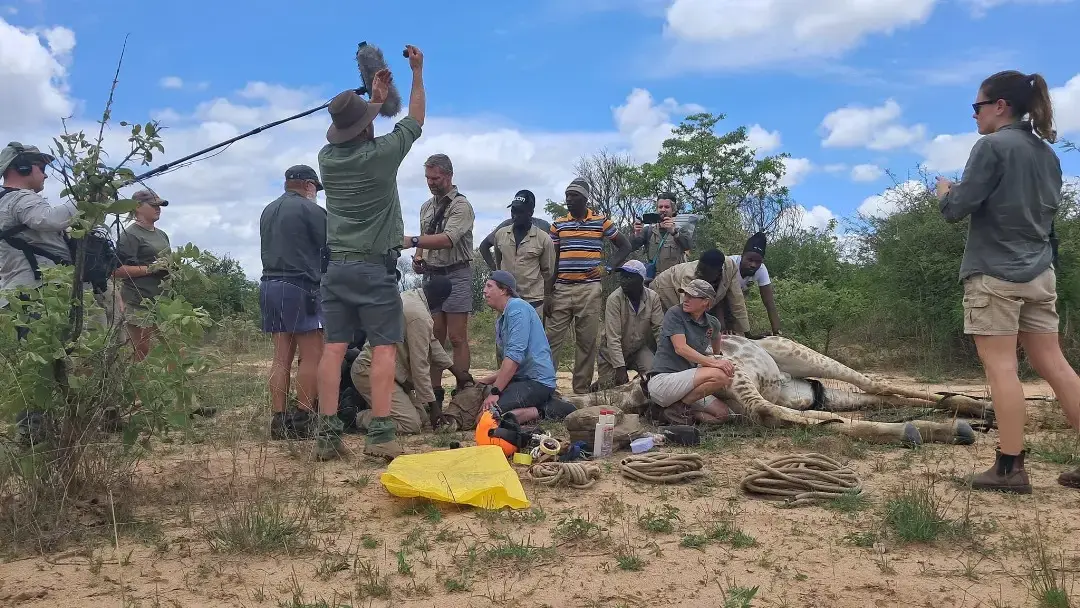
Filming in Hwange needs the national filming permit and ZimParks filming permission, with its own fees and conditions. Expect a ranger to be attached to the crew. Anyone getting out of a vehicle away from designated places, walking or building a hide does so with an armed ranger, and that is a condition I would insist on anyway.

Off-road driving, baiting, calling animals in and working after dark are not allowed without specific permission. If the story needs any of them, tell me at brief stage: some things a public park cannot allow can be arranged on a private concession. Drones need aviation clearance as well as the park’s approval; see drone filming in Zimbabwe. Allow about 21 days, and read the permits guide for the national side.

Logistics — Getting there

Access, camps and heat

Hwange is big and the distances between camps eat shooting time. Where the unit sleeps decides how much of the day is usable.

Air

Fly in close

Charter flights land at Hwange National Airport near Main Camp, about an hour and ten minutes from Harare. Scheduled flights go to Victoria Falls, about three hours’ drive away.

Road

Eight hours from Harare

Through Bulawayo, with fuel planned for the last stretch. From Victoria Falls it is an easy half-day drive.

Stay

Camps and lodges

Parks chalets at Main Camp suit a small crew; lodges and tented camps on the boundary suit larger ones. Power is solar or generator, so plan charging.

Heat

Kit and people

Dry-season afternoons pass 35°C. Shade, water and battery temperature all need managing.

Questions — Asked most often

What producers ask first

Short answers to the questions that arrive in nearly every brief. For anything specific to your production, ask me directly.

Q

Do you need a permit to film in Hwange National Park?

Yes. You need the Zimbabwe filming permit and ZimParks filming permission. Allow about three weeks, and expect a ranger to accompany the crew.

Q

When is the best time to film in Hwange?

July to October, the dry season, when animals concentrate at the pumped waterholes. The rains from November to March are green and dramatic, but game disperses.

Q

Can a film crew work on foot in Hwange?

Yes, with an armed ZimParks ranger. Off-road driving, night work and hides need specific permission, and some of these are easier on private concessions.

Q

How do you get to Hwange from Victoria Falls?

By road it is about three hours to Main Camp. From Harare it is about eight hours by road or just over an hour by charter flight.

Next — Your project

Send the brief and the dates

Tell me what you want to shoot here and when. You will get a straight answer on the permissions, the timing and the cost before you book anything.